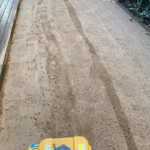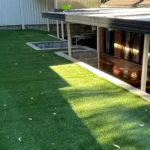
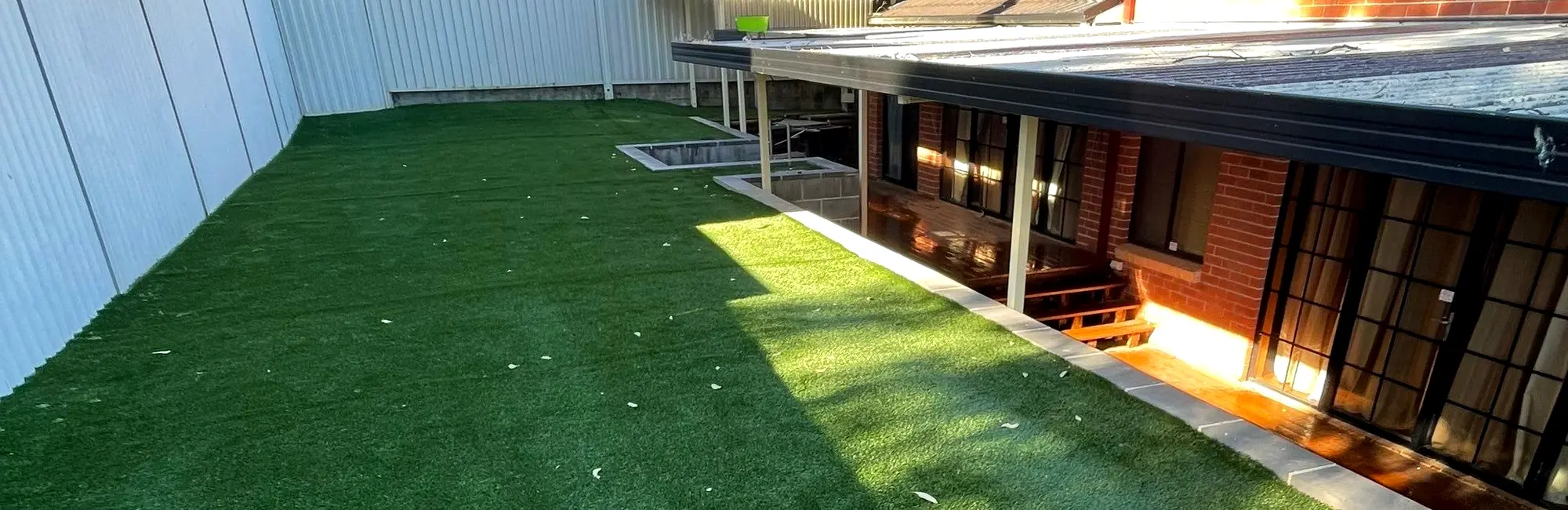
Artificial grass often looks perfect when it’s first installed. Clean edges, vibrant colour, neat joins — everything appears spot on and any mistakes made in the installation are easily hidden. But beware: such mistakes lead to artificial grass problems that don’t show up immediately. They appear 6 to 12 months later, once the grass has been exposed to weather, heat, rain, and regular use.
Critical Artificial Grass Installation Mistakes You Should Avoid
At Pro Step Landscaping, we’re often called in to fix artificial grass installations that looked great on day one, but were built on shortcuts. Here are the most common artificial turf installation mistakes homeowners don’t realise are there until it’s too late.
1. Poor Base Preparation (The #1 Long-Term Failure)
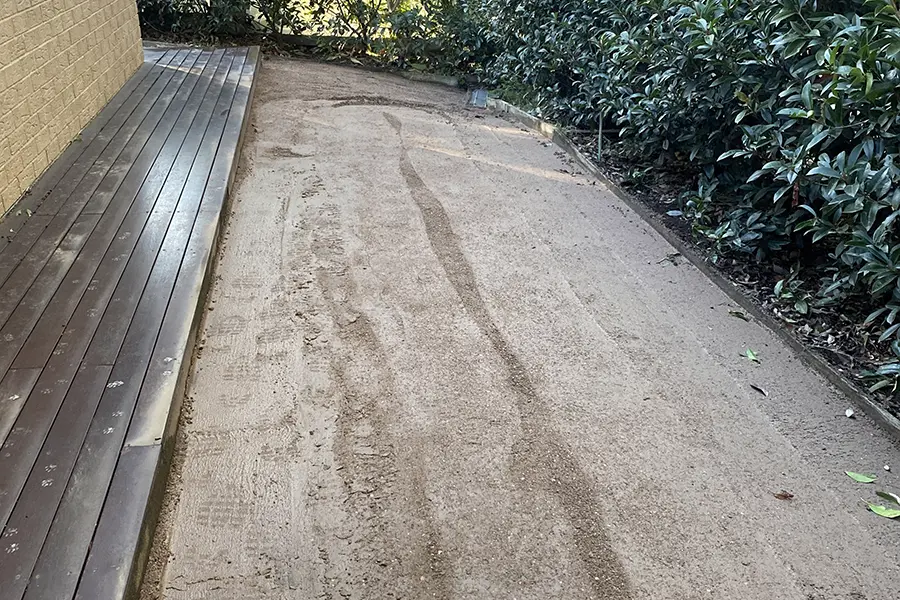
This is the biggest and most expensive of the artificial grass problems.
Your artificial grass is only as good as what’s underneath it. When its base isn’t excavated deeply enough, compacted properly, or built using suitable materials, problems become inevitable.
What shows up months later:
- Uneven or sinking areas
- Ripples or soft spots
- Edges lifting as the base shifts
The artificial grass didn’t “fail” — its foundation did.
A proper installation requires:
- Adequate excavation depth
- The right base material for stability
- Thorough compaction in layers
Without this, the lawn slowly moves as the ground settles.
2. Cheap or Incorrect Base Materials
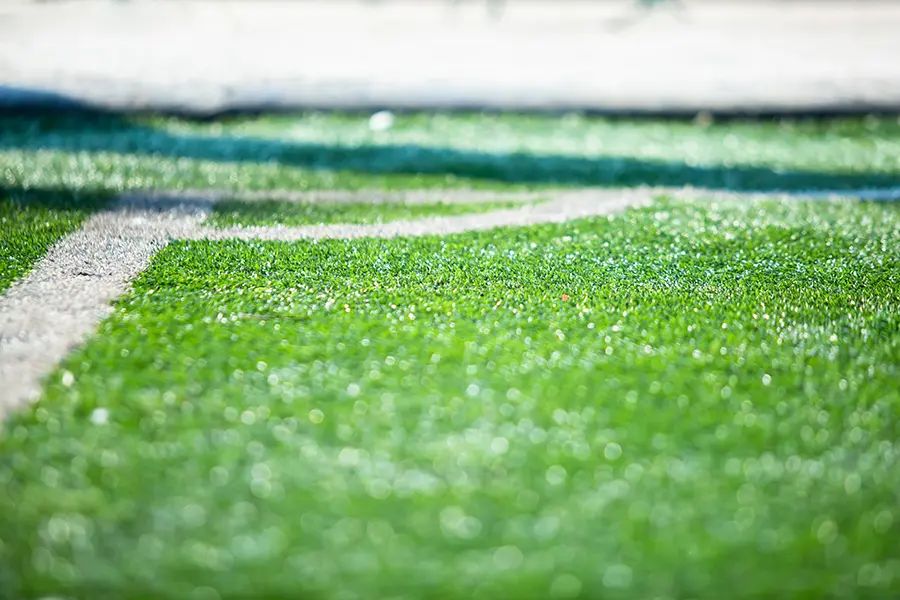
Not all base materials behave the same way, even after they’re compacted.
Some installers use materials that are easy and fast to work with, but don’t lock together firmly over time. These bases can feel fine initially, then slowly loosen. (Especially after heavy rain.)
What happens later:
- The surface feels spongy
- Nails and fixings don’t hold
- Edges begin to lift
- Weeds begin to poke through the artificial turf
The base should compact into a solid, stable layer that supports the lawn in the long term. It shouldn’t come apart after installation.
3. Poor Drainage Planning
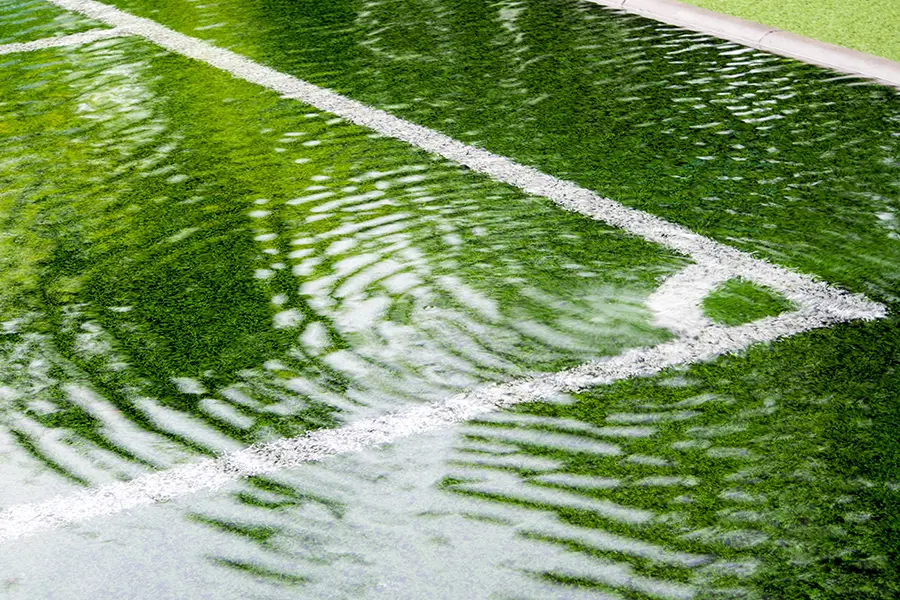
Drainage issues are one of the main reasons people switch from natural turf to artificial grass. Yet poor artificial turf installation will often recreate the very same problem.
Artificial grass doesn’t magically fix drainage on its own. The levels underneathit must be shaped deliberately to pull or divert water so it drains somewhere else.
Signs of poor drainage that appear months later:
- Water pooling in the artificial turf after rain
- Damp or smelly areas
- Mud appearing along edges
Proper installations shape subtle falls beneath the grass so water moves away naturally, even when the lawn appears level to the untrained eye.
4. Cheap Joining Tape and Adhesives
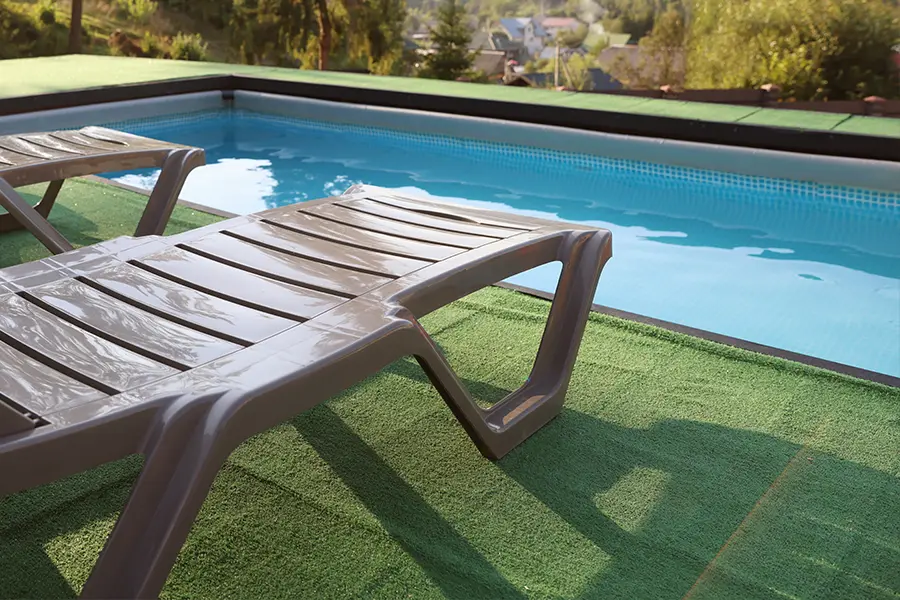
Seams are one of the most vulnerable points in artificial grass.
Lower-quality joining tape and glue can look fine initially, but artificial grass expands in heat and contracts in cooler temperatures. This is especially important in Australian climates. If the adhesive used is cheap and isn’t strong enough, the joins slowly pull apart.
What you’ll notice later:
- Visible seams
- Gaps opening between rolls
- Edges curling near joins
These failures often appear after the first summer, once the grass has gone through multiple expansion cycles.
5. Rusting or Incorrect Fixings
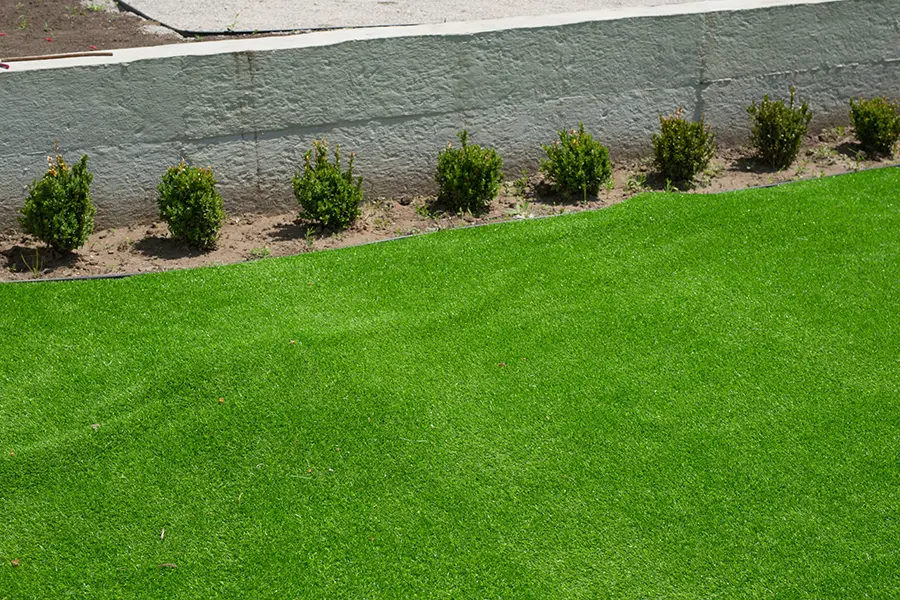
Some installers use standard nails or fixings not designed for long-term outdoor use.
Months later:
- Nails rust and break
- Edges come loose
- Grass starts lifting around the perimeter
Once the fixings fail, nothing holds the grass firmly in place (especially in high-traffic areas).
6. Cutting Corners Around Edges and Obstacles
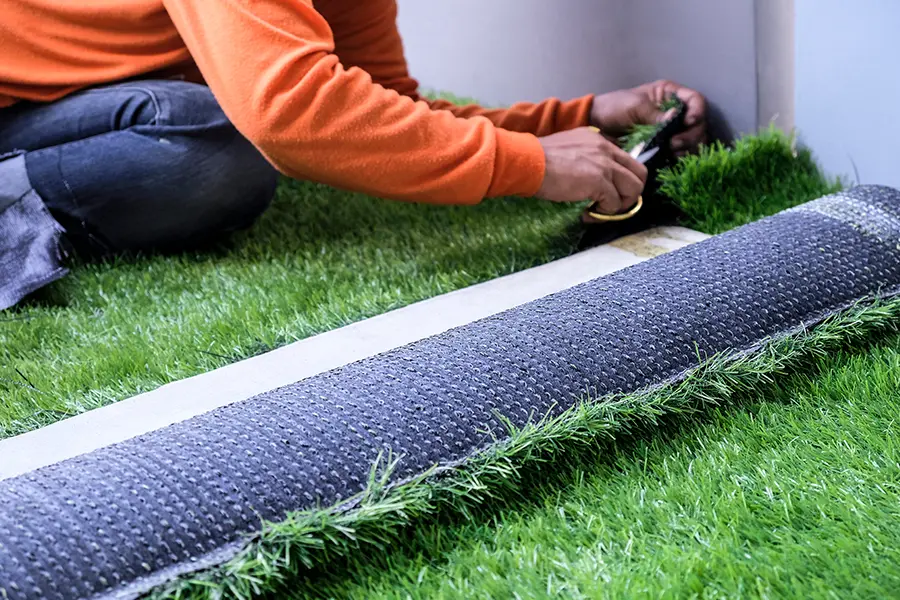
Clean edge detailing takes time. Cutting around fence posts, curves, and structures properly can add hours to a job. That’s why the edges of artificial grass lawns are where some artificial grass service companies are tempted to do shortcuts.
But doing the edges hurriedly or carelessly is a mistake.
Initially:
Edges look filled and neat.
Months later:
- Sand washes away
- Gaps become visible
- Edges look untidy and unfinished
So if you want to avoid artificial grass problems months later, make sure your professional installer devotes time to rendering edges properly.
For instance, if the artificial grass edge meets a retaining wall or concrete pavement, your installer should resist simply cutting a straight line all throughout to save time. Instead, they should try cutting little “divots” out of the artificial grass to match any irregular edges.
Good edge work is often invisible when done well. But when it isn’t, it becomes painfully obvious as time goes by.
7. Choosing Grass Based on Price Alone
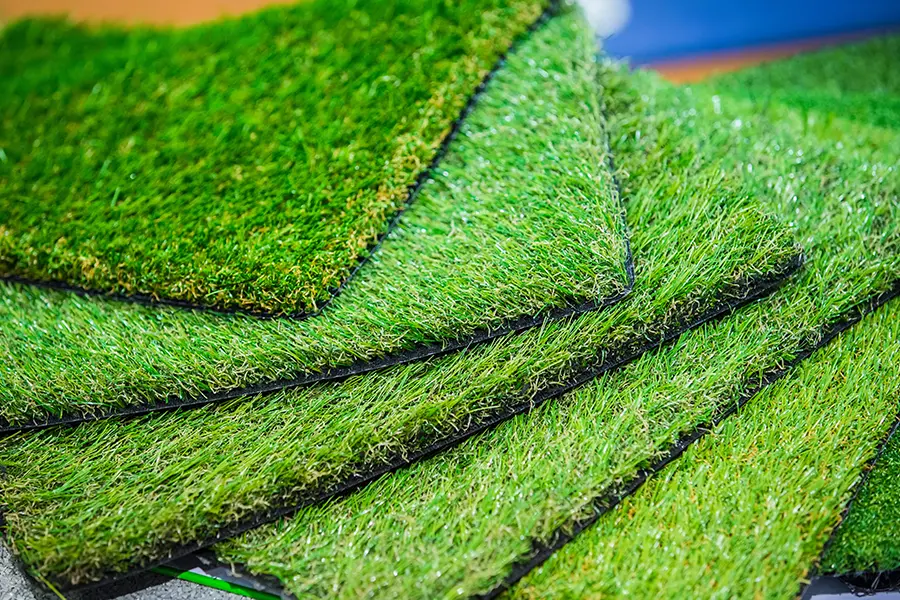
With artificial grass, you get what you pay for. The more you pay, the better the quality.
Cheaper artificial grass often:
- Looks unnaturally green or bright
- Retains more heat
- Has lower fibre resilience
- Comes with limited or unclear warranties
While it may save money upfront, it usually wears faster, feels hotter underfoot, and shows age much sooner than premium turf.
In most cases, the cheapest option ends up costing more once repairs or replacement are needed.
Why These Problems Are Hard to Spot Early
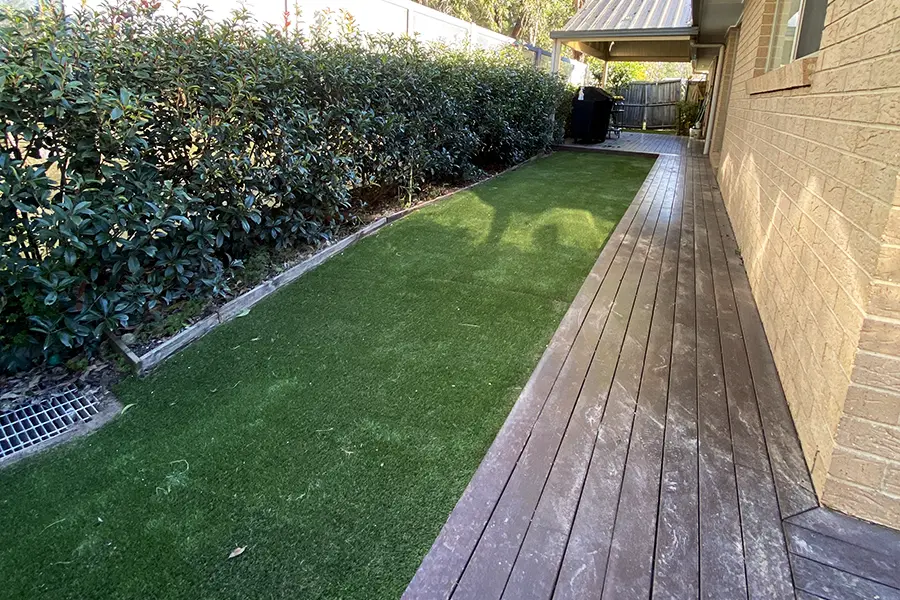
Most homeowners will post their online reviews of their installers’ work:
- Right after completion
- Within the first few weeks
That’s before any of these issues have had time to appear. Their reviews won’t provide you with an accurate impression of the work quality.
This is why experience, process, and materials matter more than a polished gallery photo or a low quote.
How You Can Avoid These Mistakes
When choosing an artificial grass installer, don’t just enquire for quotes and go with whoever fits your budget. Before choosing, ask them:
- What base materials will you use, and why?
- How do you handle drainage and falls? What do you recommend for my particular site?
- What joining tape, glue, and fixings are used?
- Is the grass designed for Australian conditions? Where was it manufactured?
- What problems typically show up months later, and how do you prevent them?
- How long will each stage of installation take?
And don’t hesitate to ask! A quality installer will always welcome these questions.
A good installer will not skimp on materials. They should give you detailed solutions for preventing future artificial grass problems, and have experience in implementing them in Sydney’s climate. They will be worth the time and money you spend on them.
Final Thoughts
Artificial grass should be a long-term solution, not something that slowly falls apart after the first year. When installed correctly, using the right materials and preparation, artificial grass can perform reliably for 15–20+ years in Australian conditions.
If you’re considering artificial grass installation in Sydney and want it done properly, we can help you avoid those artificial turf installation mistakes. We have years of experience in creating artificial lawns in Sydney. We always focus first on what’s underneath to prevent artificial grass problems later.
Contact our team today and get the proper turf installation you deserve.
👉 Learn more about our artificial grass installation process here:
Artificial Grass Installation in Sydney